Which It's Crucial to Deal with a Malfunctioning Faucet
Call TodayEvery person has their own assumption when it comes to Water Dripping from Faucet: Why and How to Fix.
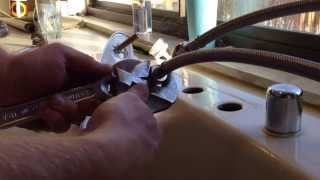
Leaking taps could feel like a small aggravation, yet their influence surpasses simply the aggravation of the audio. From wasting water to incurring unneeded economic expenses and health and wellness dangers, disregarding a dripping tap can bring about different repercussions. In this article, we'll look into why it's essential to resolve this typical home concern immediately and efficiently.
Wastage of Water
Ecological Impact
Dripping taps contribute dramatically to water waste. According to the Epa (EPA), a single tap leaking at one drip per secondly can squander greater than 3,000 gallons of water per year. This not just pressures water resources yet also impacts ecosystems and wildlife based on them.
Financial Prices
Increased Water Expenses
Past the ecological influence, dripping faucets can pump up water costs substantially. The built up waste gradually equates right into greater energy expenditures, which might have been stayed clear of with prompt fixings.
Possible Residential Or Commercial Property Damage
Moreover, long term trickling can bring about harm to fixtures and surfaces bordering the tap. Water buildup can trigger staining, deterioration, and also structural issues if left neglected, leading to additional fixing expenses.
Health Problems
Mold and Mold Development
The continuous presence of wetness from a dripping tap creates an excellent atmosphere for mold and mildew and mildew development. These fungis not only jeopardize indoor air top quality but likewise posture health dangers, specifically for individuals with breathing problems or allergic reactions.
Waterborne Diseases
Stagnant water in leaking taps can become a breeding ground for germs and other microorganisms, boosting the threat of waterborne conditions. Impurities such as Legionella bacteria thrive in stagnant water, potentially bring about major illnesses when consumed or inhaled.
Do it yourself vs. Expert Repair service
Benefits and drawbacks of DIY Fixing
While some may attempt to take care of a dripping faucet themselves, DIY fixings feature their own set of obstacles. Without correct knowledge and tools, DIY attempts can worsen the problem or bring about insufficient fixings, prolonging the problem.
Benefits of Hiring a Professional Plumber
Hiring an expert plumber guarantees that the underlying reason for the dripping faucet is addressed properly. Plumbing professionals have the know-how and devices to identify and fix tap problems successfully, conserving time and reducing the risk of more damage.
Step-by-Step Overview to Taking Care Of a Dripping Faucet
Devices Required
Prior to attempting to fix a leaking faucet, collect the required devices, including a flexible wrench, screwdrivers, replacement components (such as washers or cartridges), and plumber's tape.
Typical Tap Issues and Their Solutions
Determine the sort of faucet and the certain concern causing the drip. Typical problems consist of damaged washers, corroded shutoff seats, or damaged O-rings. Refer to producer directions or on-line tutorials for step-by-step assistance on repair services.
Safety nets
Normal Upkeep Tips
To prevent leaking taps, do regular upkeep such as cleansing aerators, evaluating for leakages, and changing damaged components immediately. In addition, take into consideration mounting water-saving gadgets or updating to a lot more effective fixtures.
Significance of Prompt Repair Works
Addressing trickling taps as soon as they're discovered prevents more water wastefulness and possible damages, eventually saving both water and money over time.
Impact on Building Worth
Assumption of Well-Maintained Residential Or Commercial Property
Maintaining a residential property in good condition, consisting of attending to maintenance issues like trickling taps, improves its perceived value and worth amongst prospective buyers or lessees.
Influence on Resale Value
Features with properly maintained plumbing fixtures, consisting of faucets, command greater resale values in the property market. Dealing with leaking taps can contribute to a favorable impression during property assessments and negotiations.
Environmental Duty
Individual Contribution to Preservation
Taking duty for fixing dripping taps straightens with more comprehensive efforts toward water conservation and environmental sustainability. Every person's activities jointly make a substantial impact on preserving valuable resources.
Lasting Living Practices
By focusing on timely repair work and adopting water-saving behaviors, people contribute to lasting living methods that benefit both existing and future generations.
Conclusion
Resolving a leaking faucet surpasses simple comfort; it's an important action toward preserving water, decreasing economic costs, and securing health and residential property. Whether through DIY fixings or professional help, doing something about it to repair leaking faucets is a little yet impactful method to advertise liable stewardship of resources and contribute to a healthier, a lot more lasting future.
How to Fix a Dripping or Leaky Faucet
A leaking faucet is one of the most common problems that homeowners encounter, but it being commonplace doesn’t make it any less annoying. The constant drip drip drip of a leaking bathtub faucet, showerhead, or sink tap can disturb your home’s serenity. Left neglected, a dripping faucet can also result in higher water bills and discoloration or mold growth in your sink or plumbing fixtures.
Fortunately, you don’t have to be a trained plumber to know how to stop a dripping faucet. With some basic tools, replacement parts, and a little patience, leaky faucet repair is a breeze. In this article, we’ll explain what causes dripping faucets and how you can fix them.
What Causes a Leaking Faucet?
Kitchen and bathroom faucets come in all manner of designs, but most involve some combination of valves, O-rings, seals, and washers. The O-ring is usually the weakest link, but any one of these pieces can wear down over time. Heat, moisture, temperature fluctuations, minerals, mold, and movement can contribute to warping and corrosion, breaking the watertight seal. This just comes with the territory of being a homeowner. Everything is always subject to wear and tear, and some component parts of your appliances and fixtures need to be replaced on occasion. At least replacement O-rings are cheap!
More rarely, dripping faucets can be a symptom of excessively high water pressure. Were this the case in your home, you would probably notice that the leak is not isolated to one faucet. Water pressure issues are harder to resolve on your own. We recommend contacting a professional plumber if you suspect your water pressure is too high.
How to Fix a Dripping Faucet
Pipe wrench or monkey wrench Allen wrench set Screwdrivers Old towel or rag Shut off the water.
Before you do anything, you need to turn off the water to keep from drenching your kitchen or bathroom. You should find a valve under the sink and against the wall. Once you’ve turned this valve, try turning the faucet on to confirm that the water source has been cut off.
If you can’t locate your local valve for the faucet you’re working on, you can always shut off the water to the house at the main valve. Of course, this will prohibit anyone from using the sinks, showers, or toilets while you’re working on the faucet that’s giving you trouble.
Plug or block the drain.
You’ll be disassembling the faucet and removing some small bits of hardware. Plug the drain with a stopper or rag to avoid the possibility of a small screw falling into your P-trap.
Take apart the faucet assembly.
There are several varieties of kitchen and bathroom faucets, each with its own manner of assembly. For detailed instructions on how to disassemble your faucet, you can refer to the fixture’s manual or contact the manufacturer. If you know whether you have a ball, disc, cartridge, or compression faucet, you can find detailed schematics online.
In general, you need to begin by removing the faucet handles. You might notice a small screw that you’ll need to remove with a screwdriver or Allen wrench. If you don’t see any visible securing hardware, it’s likely hidden under a decorative cap that can be unscrewed or popped off with flathead screwdriver.
Remove each piece methodically, consulting a schematic when necessary. Take notes or arrange the pieces in such a way to make it easier to correctly reassemble the faucet later.
Remove the cartridge.
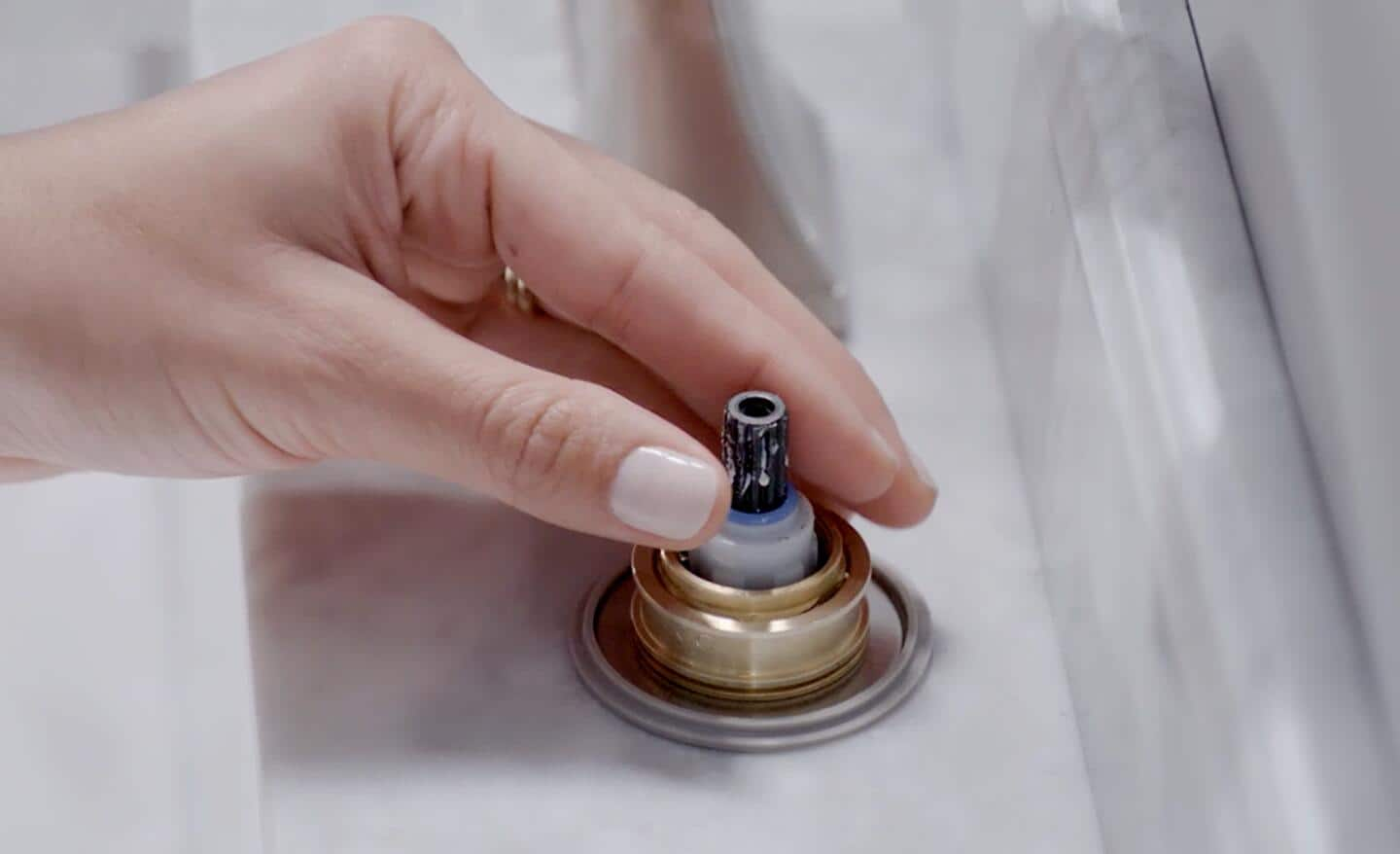
Once you’ve removed the handles and securing hardware, you should be able to remove the valve cartridge or stem. Some cartridges will slide right out. Other faucet models will require you to loosen a nut with a pipe wrench before you can remove the valve stem.
Examine the exposed hardware.
With the cartridge or stem removed, inspect the component parts. Check the rubber O-rings for wear and tear. Also examine the seat washer for corrosion or other damage. These pieces are usually the responsible parties for a dripping faucet, but it’s worth inspecting the other component parts while you have the faucet disassembled.
Find replacement parts.
Once you’ve identified which faucet component has failed, find an identical replacement. Your local hardware store should have O-rings, seat washers, and other standard components in stock. If you have a luxury or uncommon faucet, you may have to contact the manufacturer for a replacement part.
It’s a good idea to take your old parts with you to the hardware store so you can compare them with the store’s inventory and be sure you’re purchasing the correct replacement.
Reassemble the faucet.
With your new parts in hand, reconstruct the faucet and handles. Don’t be tempted to overtighten screws or nuts. You might think this could create a better seal, but it can instead damage or bend a delicate part of the assembly and create a new problem for you.
Turn on the water and test the faucet.
The only thing left to do is test your work. Unplug the sink, turn the water back on, and try the faucet. Congratulate yourself on a job well done!
https://www.libertyhomeguard.com/how-to-fix-a-dripping-or-leaky-faucet/
As a serious reader on How to Fix a Dripping or Leaky Faucet , I think sharing that blog post was really useful. Those who appreciated our page plz make sure you remember to share it. I take joy in reading our article about Should I Repair or Replace a Leaky Faucet?.